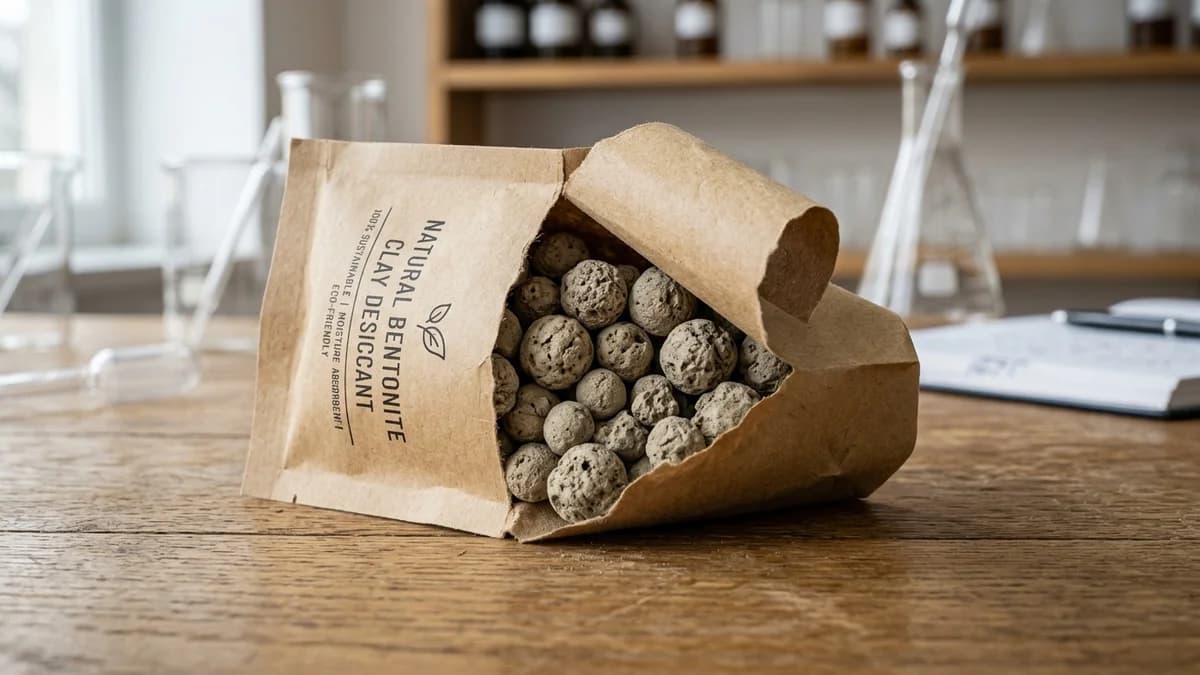
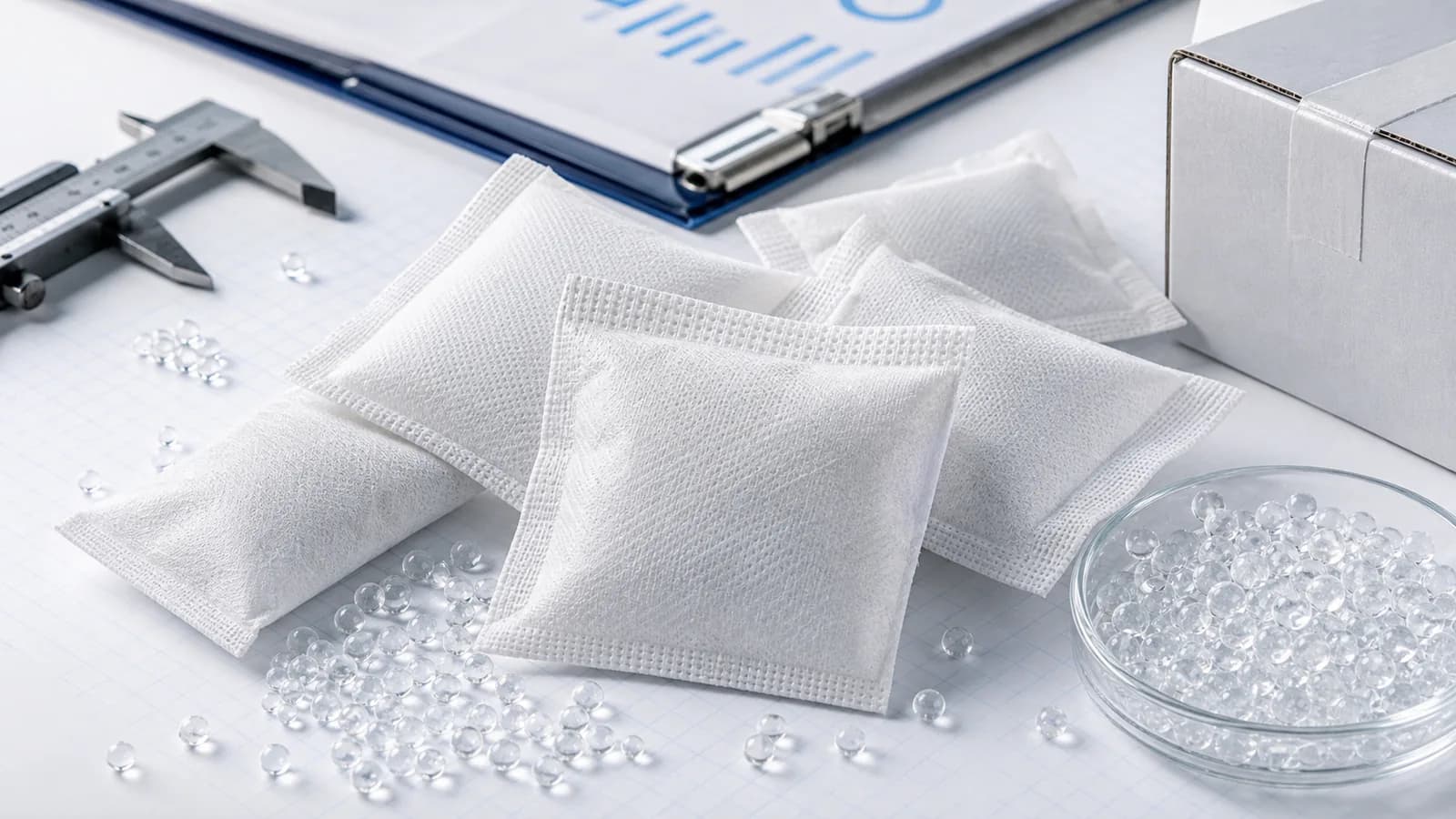
Technical BasicsWhat is clay desiccant and how does it actually work?
A comprehensive technical guide to clay desiccant - what it is, how bentonite clay adsorbs moisture at the mineral level, DIN 55473 desiccant units, cost comparisons against silica gel, and why eco-conscious brands choose FSC-certified clay packets.
Read buyer guideSupplier GuideTop silica gel suppliers and manufacturers in the world (2026), and how to choose one in Pakistan
The global silica gel manufacturers that B2B buyers actually compare, what each one is best suited to, and the questions that separate a real manufacturer from a reseller. Published by DryGelWorld, a Karachi manufacturer that competes in part of this market and says plainly where it does not.
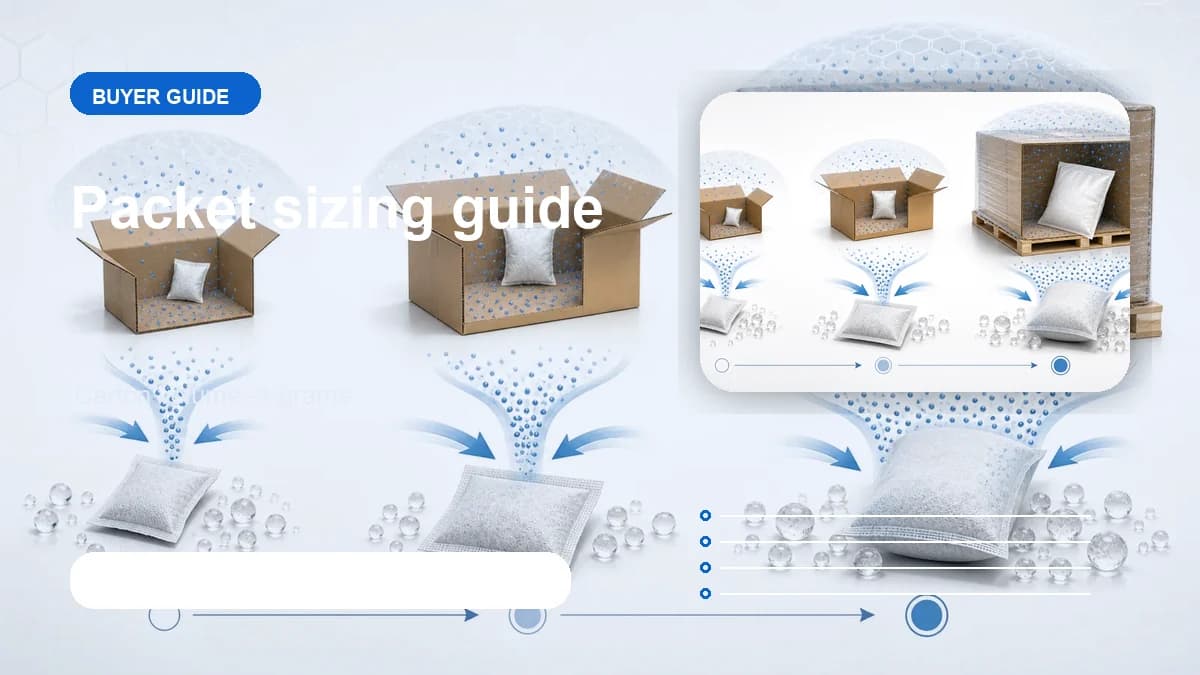
Read buyer guideSizing GuideHow to choose silica gel packet size: a complete sizing guide for B2B buyers
A complete buyer guide for selecting the right silica gel packet size - by carton volume, product sensitivity, route humidity, and storage time. Real math, real working numbers, and the sizing patterns that work for export programs from Karachi to global destinations.
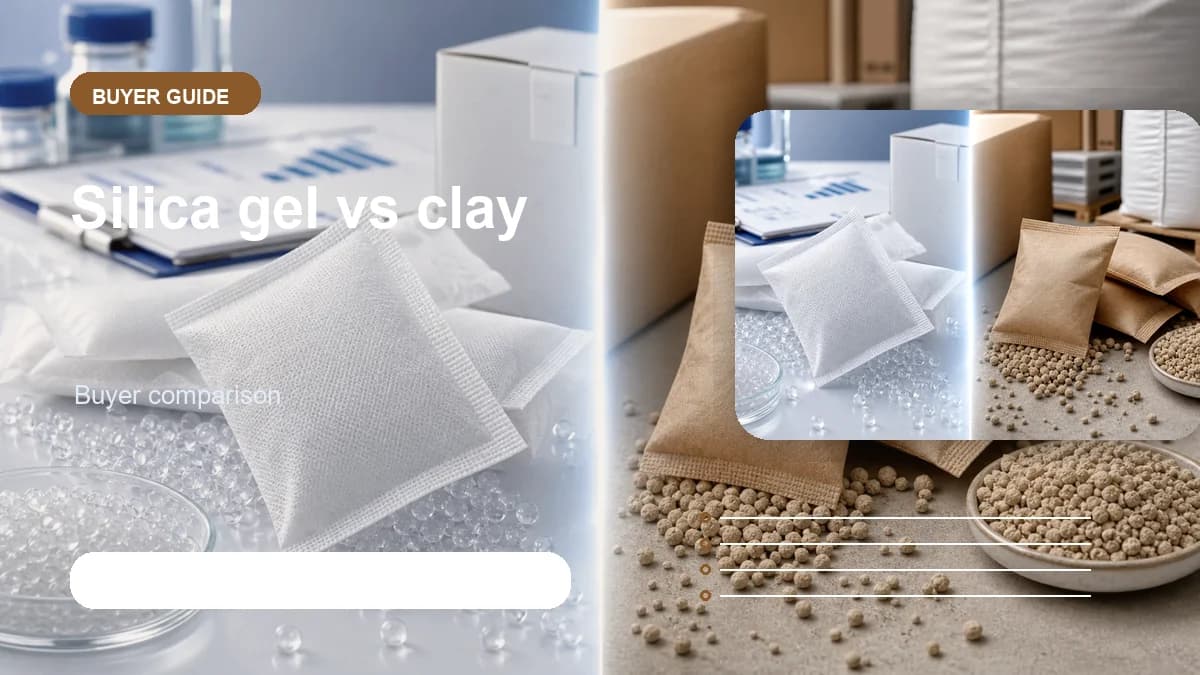
Read buyer guideComparisonHow silica gel and clay desiccant differ: chemistry, capacity & format
A deep-dive explainer on how silica gel and clay desiccants differ - chemistry, adsorption behaviour across humidity, sachet format sizing, regeneration temperatures, and the documentation buyers should check before choosing.
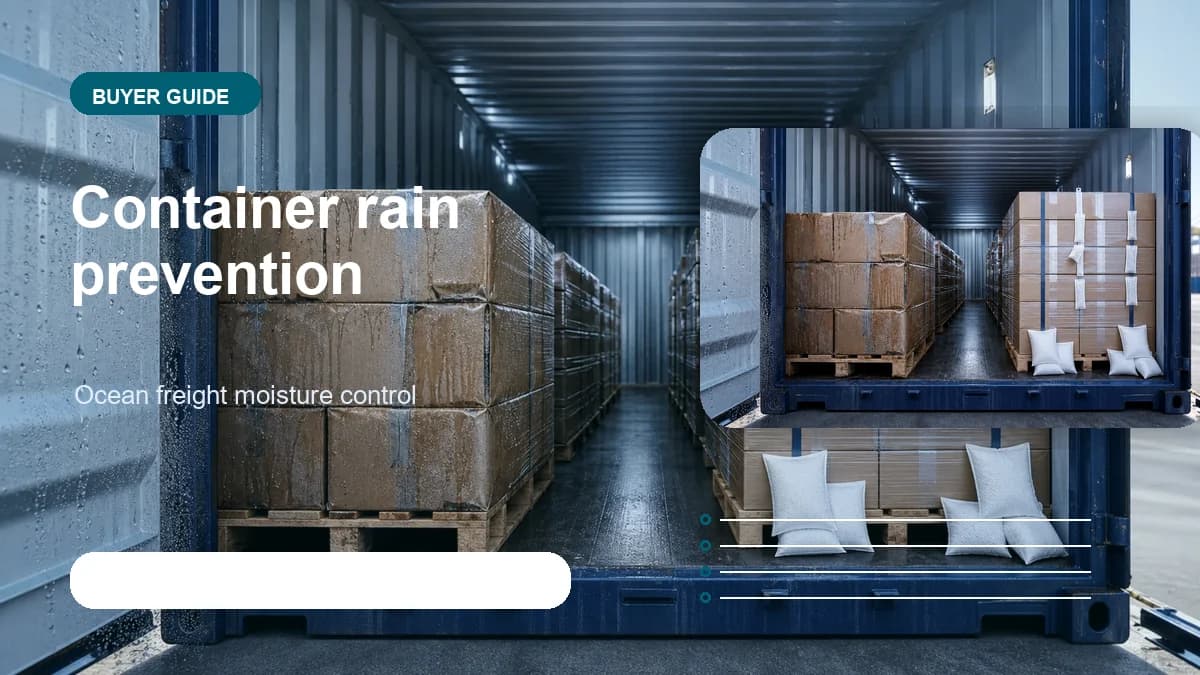
Read buyer guideLogisticsContainer rain prevention: a long-haul export shipping guide
A logistics-grade guide to stopping container condensation: the physics behind container rain, sizing math by container type and route, format-by-format protection plans, claim-defensible documentation, and the gap between desiccant alone and a complete moisture program.
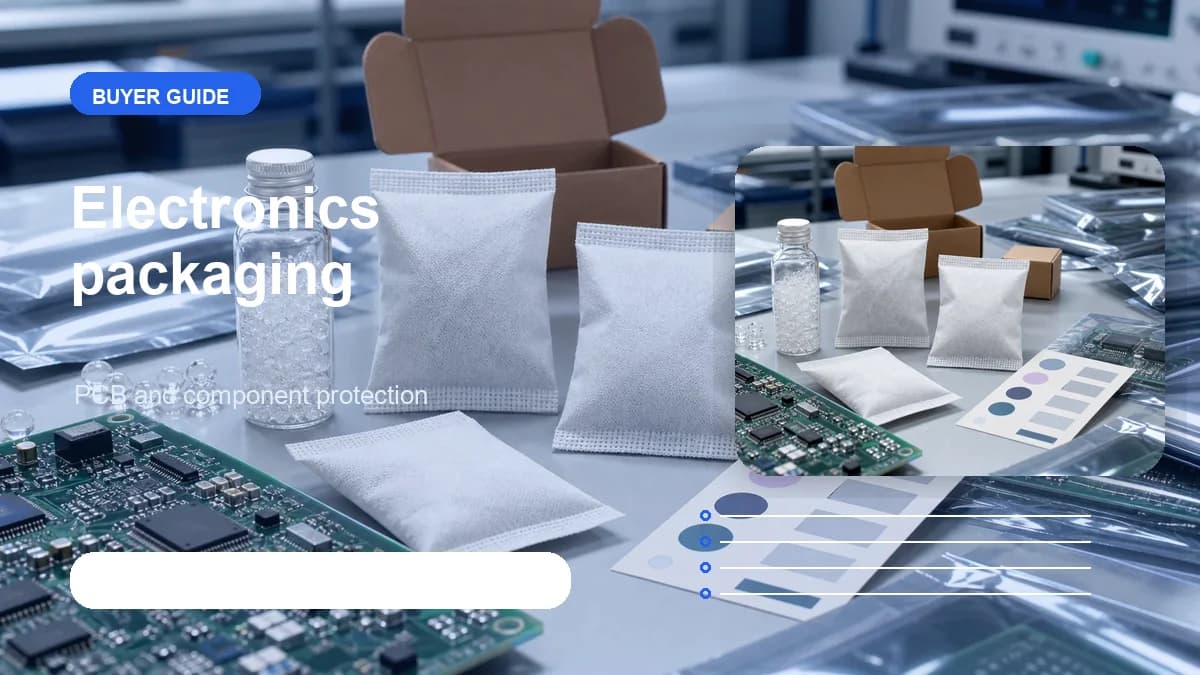
Read buyer guideElectronicsDesiccant for electronics packaging: a procurement guide
A technical buyer guide to desiccants for electronics packaging - what moisture does to PCBs and components, MSL handling, sachet sizing per pack volume, ESD-bag integration, long-haul shipping, documentation buyers actually need, and the difference between cost-tier and precision-tier programs.
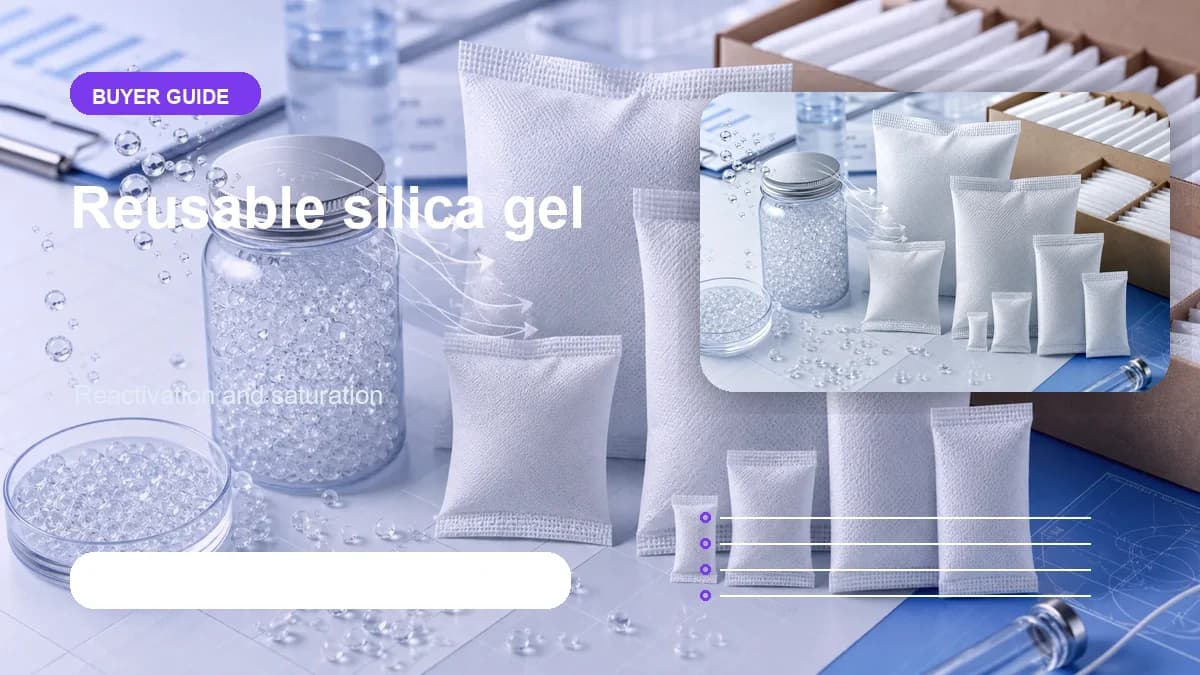
Read buyer guideBuyer FAQCan you reuse silica gel packets? A complete reuse and regeneration guide
Silica gel can be regenerated by heat - but whether you should reuse it depends on the use case, the packet material, your QC infrastructure, and the economic reality of B2B procurement. This guide breaks down when reuse makes sense and when fresh sachets win.
Read buyer guideTechnical BasicsWhat is silica gel and how does it actually work?
A foundational technical guide to silica gel - what it is, how adsorption works at the bead level, why it controls moisture better than most alternatives, and how procurement teams should think about it for packaging, export shipping, and industrial moisture control programs.
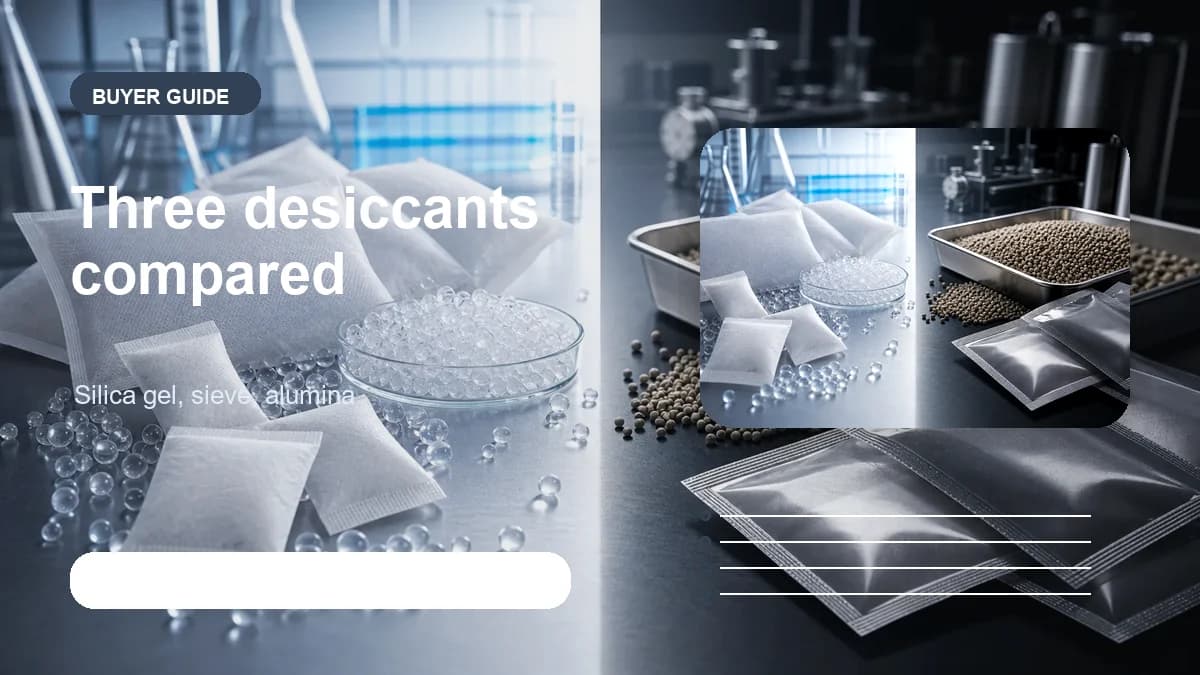
Read buyer guideComparisonSilica gel vs molecular sieve vs activated alumina: a buyer's guide
A buyer-grade comparison of the three main industrial desiccants - silica gel, molecular sieve, and activated alumina. Adsorption capacity, pore-size differences, cost tiers, regeneration, and which one fits which export-packaging use case.
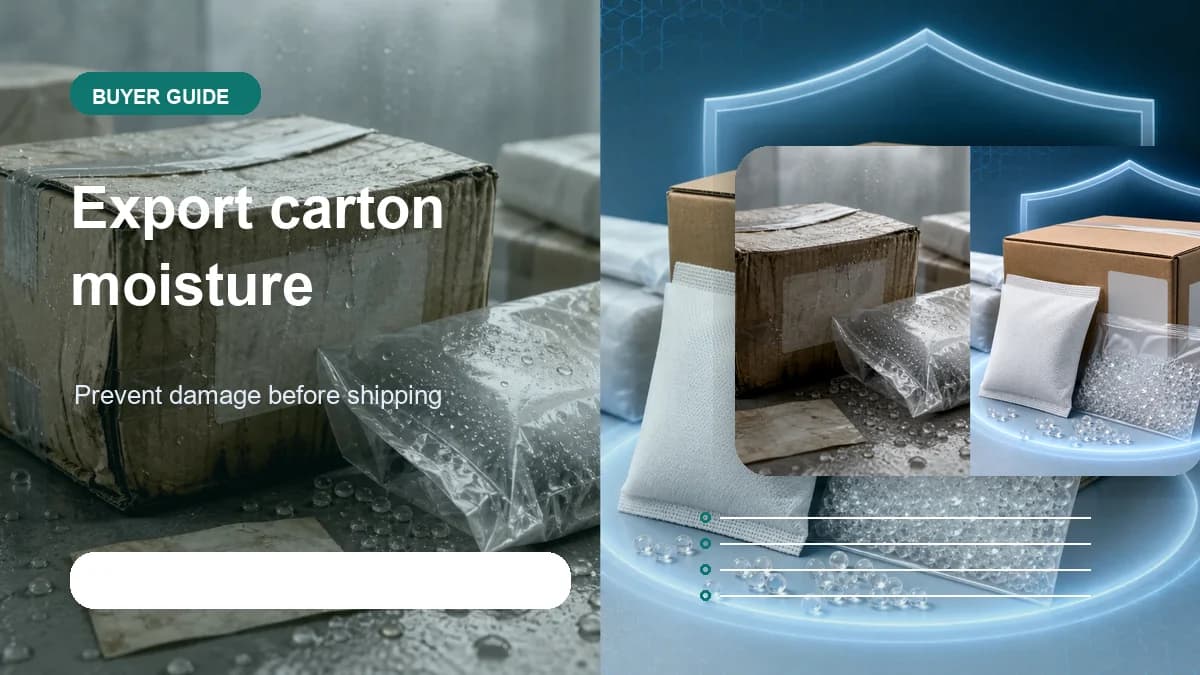
Read buyer guideExport CartonsHow to prevent moisture damage in export cartons: a logistics-grade buyer guide
A working playbook for export buyers protecting cartons from humidity damage during long-haul shipping - pre-packing controls, sachet sizing math, placement by cargo type, claim-defensible documentation, and where most moisture-damage claims actually originate.
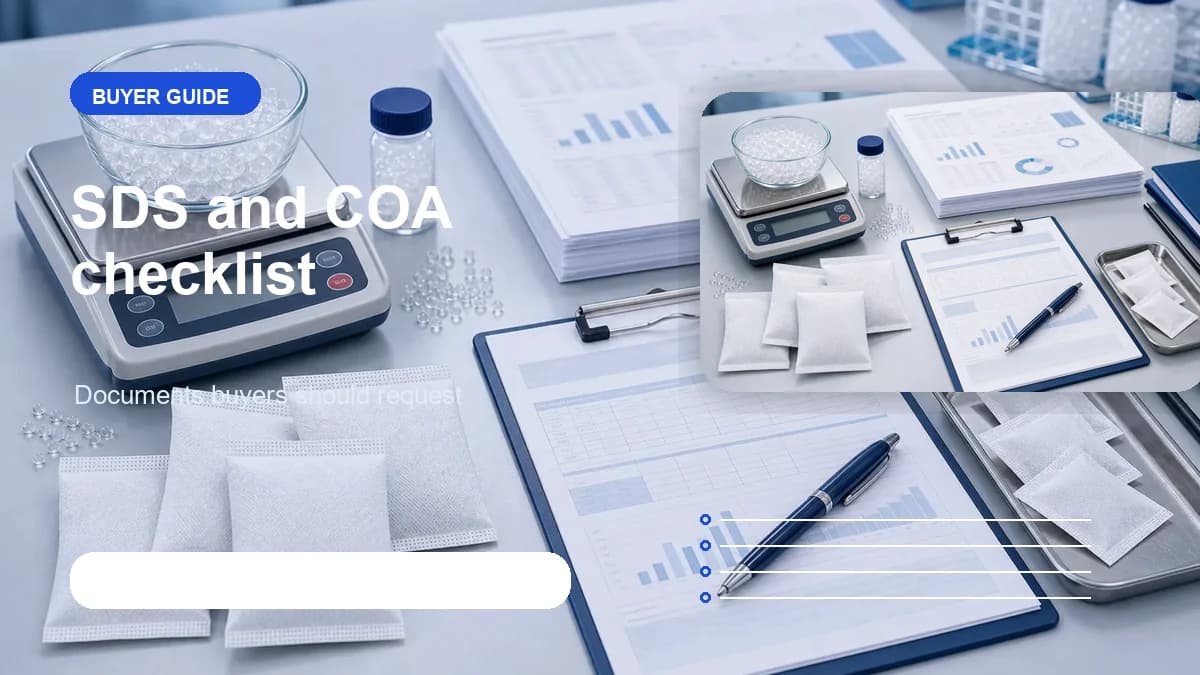
Read buyer guideDocumentsSilica gel SDS and COA requirements: a procurement document guide
What B2B silica gel buyers need to request, when, and why - Safety Data Sheets, Certificates of Analysis, ISO 9001:2015 references, DMF-free statements, market-specific compliance documents, and the procurement workflow that prevents shipment delays and audit findings.
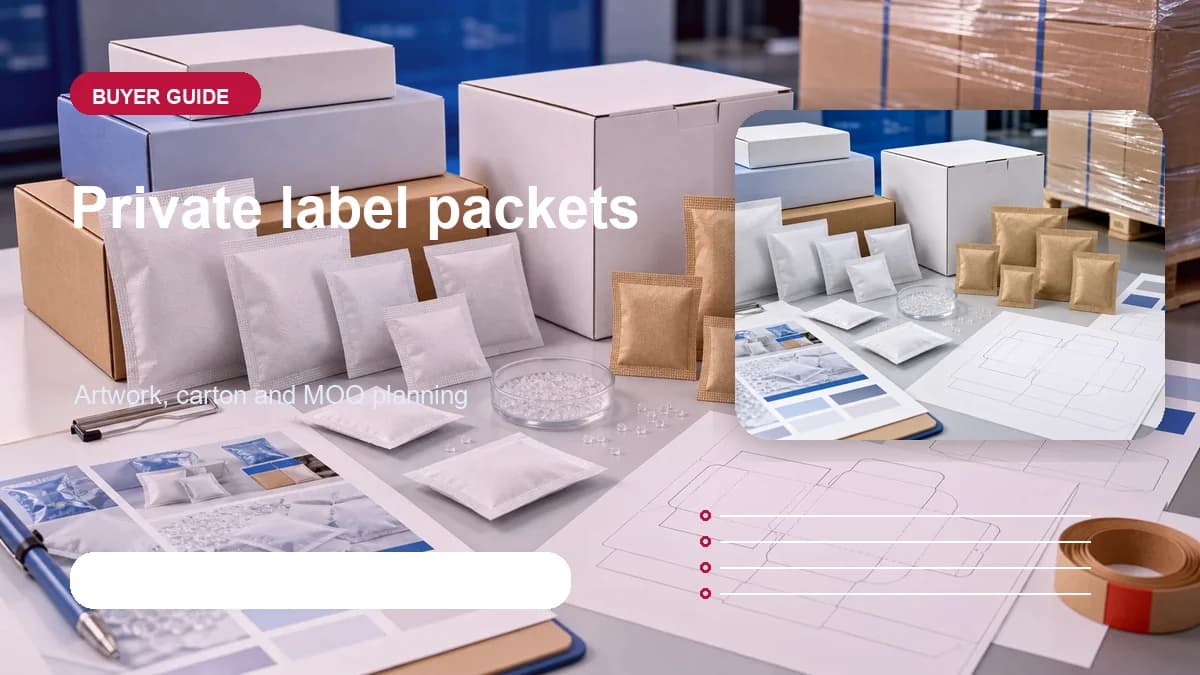
Read buyer guidePrivate LabelPrivate label silica gel packets: a complete OEM buyer guide
How brands, distributors, and packaging companies should plan private-label silica gel programs - sachet selection, artwork and warning text rules, MOQ economics, carton labeling, document workflow, and the procurement patterns that scale across repeat orders.
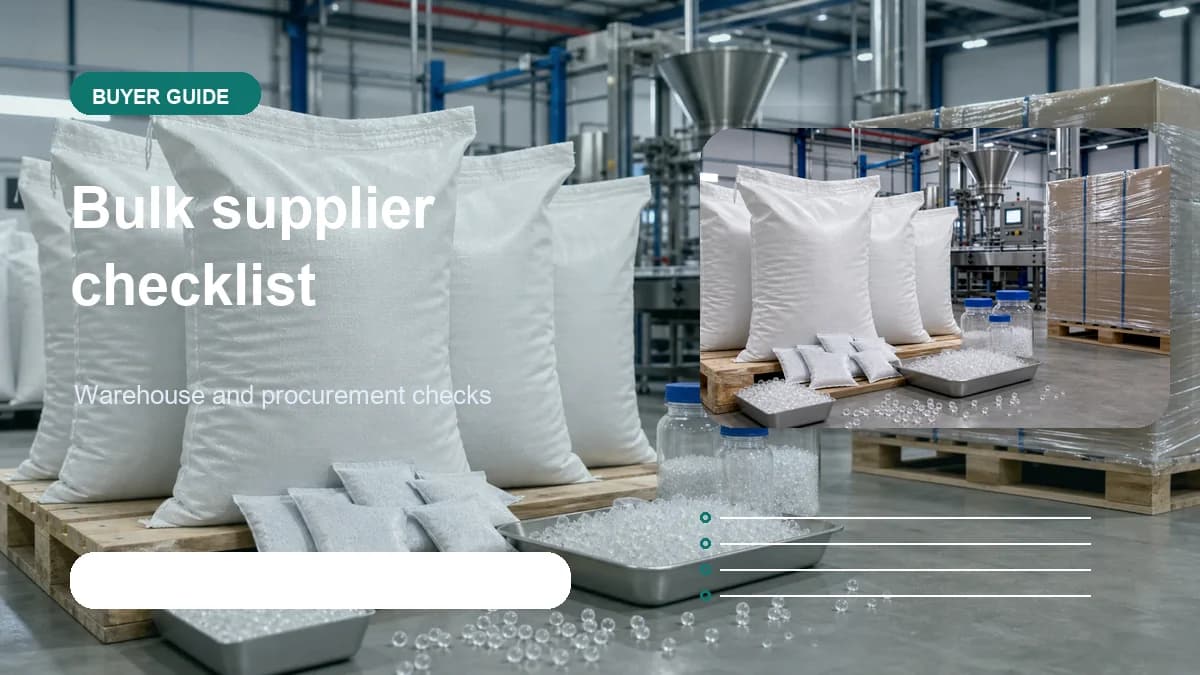
Read buyer guideBulk BuyingBulk silica gel supplier checklist: a complete wholesale procurement guide
A wholesale procurement guide for B2B silica gel buyers - supplier evaluation criteria, format selection (25kg loose vs finished packs vs cargo strips), MOQ economics, document workflow, Incoterms, and the recurring-supply patterns that separate reliable wholesale programs from amateur ones.
Read buyer guidePPE Buyer GuideWhy hair nets and beard covers matter in food and manufacturing exports
A buyer guide to bouffant hair nets and beard covers for food processing, manufacturing, and healthcare PPE programs - sizing, color zoning, document expectations, and how to source PPE alongside moisture control programs.
Read buyer guideContainer ShippingBest desiccant for shipping containers: a buyer's selection guide
How export buyers pick the right desiccant program for 20-foot and 40-foot container shipments. Container-level strips vs carton-level sachets, silica gel vs clay, route-by-route sizing math, and the procurement checklist that prevents moisture-damage claims.
Read buyer guidePPE Buyer GuidePPE products for factories: a procurement guide for B2B buyers
A working guide to industrial PPE procurement - hair nets, beard covers, and the broader PPE program design for food processing, manufacturing, healthcare, and cleanroom workspaces. Color zoning, sizing, document expectations, and supplier selection.
Read buyer guidePPE Buyer GuideThe importance of beard covers in manufacturing and food production
Why facial-hair containment matters in B2B manufacturing, food handling, healthcare, and cleanroom operations - the contamination control logic, audit consequences of skipping beard covers, sizing and procurement math, and how to build a PPE program that actually gets used.
Read buyer guideInternational ShippingMoisture protection for international shipping: a complete export buyer guide
How exporters protect cargo from humidity damage across international shipping lanes - route risk profiles, layered desiccant programs (carton + pallet + container), pre-load workflow, claim-defensible documentation, and the per-shipment cost reality.
Read buyer guideIndustrial PackagingIndustrial packaging protection solutions: a B2B export buyer guide
How B2B industrial exporters design complete packaging protection programs - desiccant tiers, VCI corrosion control, dunnage and bracing, PPE and contamination control, and the documentation that holds the whole program together.
Read buyer guideComparisonContainer desiccant vs silica gel: what's the actual difference?
Container desiccant and silica gel are not opposites - they're different layers of the same protection system. This guide clarifies the terminology, explains where each fits in a B2B export program, and helps buyers stop conflating product format with material chemistry.
Read buyer guideComparisonReusable vs disposable desiccants: when each makes economic sense
B2B desiccant buyers face a recurring choice: pay more per unit for regenerable desiccant or accept disposable single-use units. This guide breaks down the economics, the operational requirements, and the use cases where each model wins.
Read buyer guideBuyer FAQHow long does silica gel last? Shelf life and replacement
Silica gel has different lifespans depending on use case - unopened storage, in-package working capacity, and post-saturation regeneration timing. This guide breaks down each scenario with practical numbers for B2B procurement teams.
Read buyer guideExport OperationsHow exporters protect cargo from humidity: an operational playbook
How experienced B2B exporters build cargo-humidity protection into their operations - Incoterms framing, supplier coordination, pre-load humidity checks, layered desiccant programs, documentation discipline, and the operational patterns that prevent moisture-damage claims.
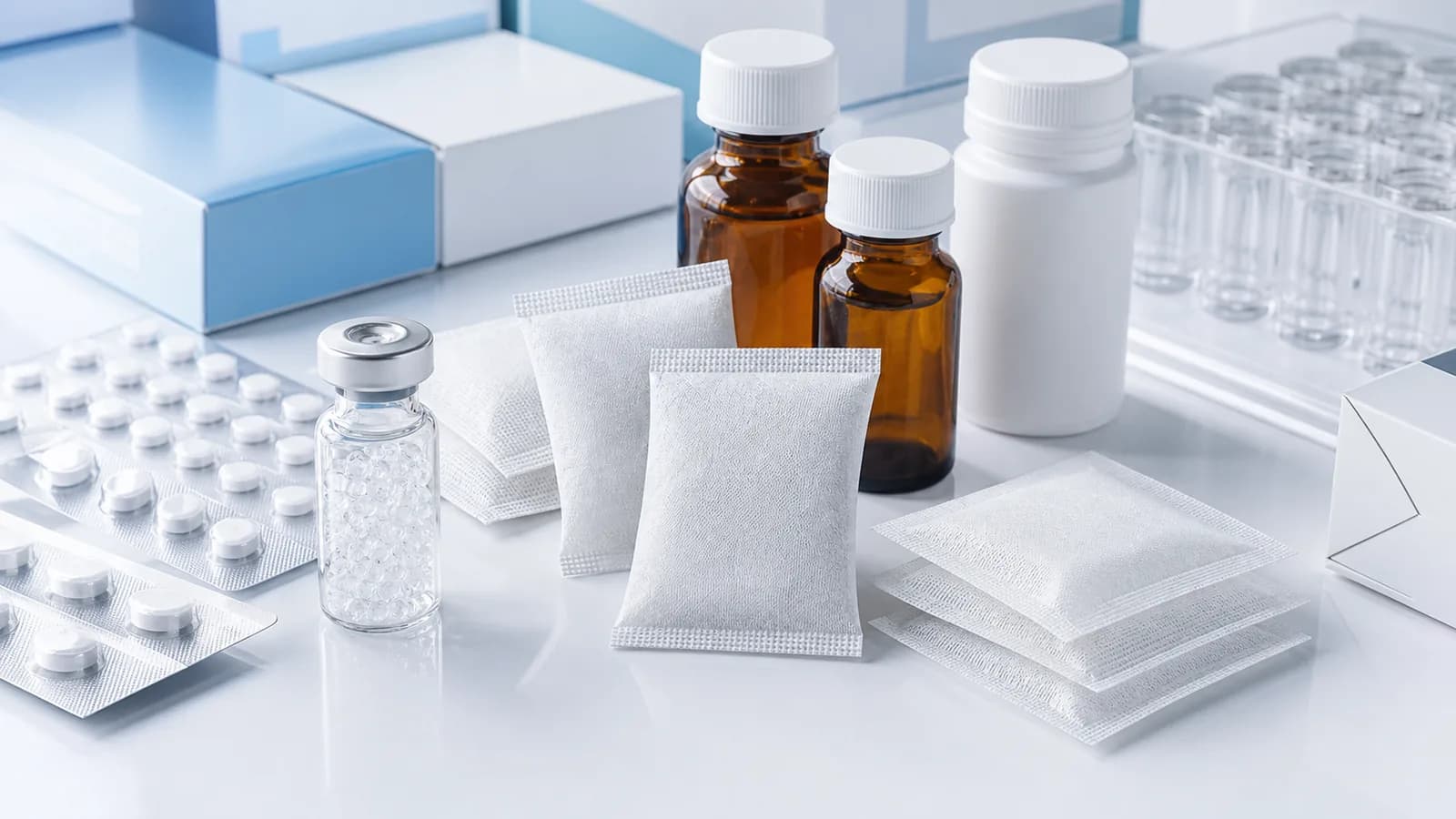
Read buyer guidePharmaSilica gel for pharma packaging: an industrial buyer's compliance guide
Pharma packaging silica gel is a regulated procurement category, not a generic desiccant purchase. This guide covers what pharma buyers actually need to verify: sachet format compliance, regional documentation expectations, contamination control, and how to evaluate a supplier when FDA Drug Master File or specific pharmacopoeia compliance is required.
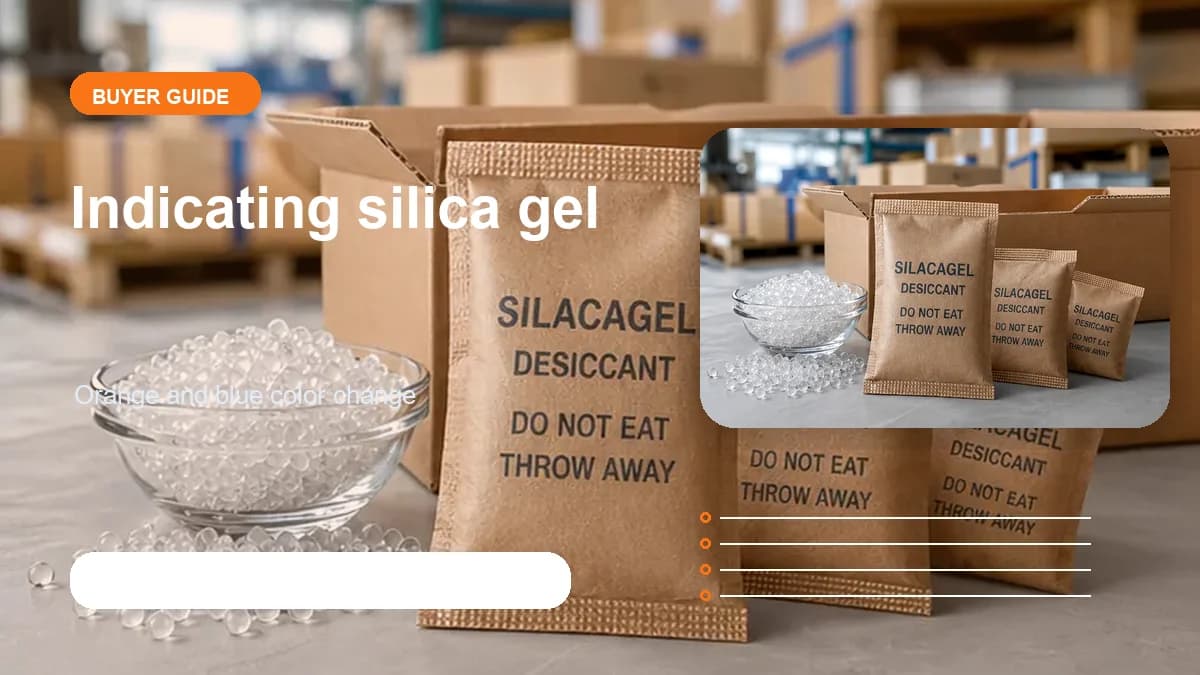
Read buyer guideTechnical GuideIndicating silica gel: orange, blue, and how the color change actually works
Indicating silica gel changes color when it's saturated with moisture - useful for visual quality control on packaging and warehouse stock. This guide explains how orange and blue indicating silica gel work, when to use which, regulatory considerations, and how to read the color change properly to avoid replacing desiccant too early or too late.
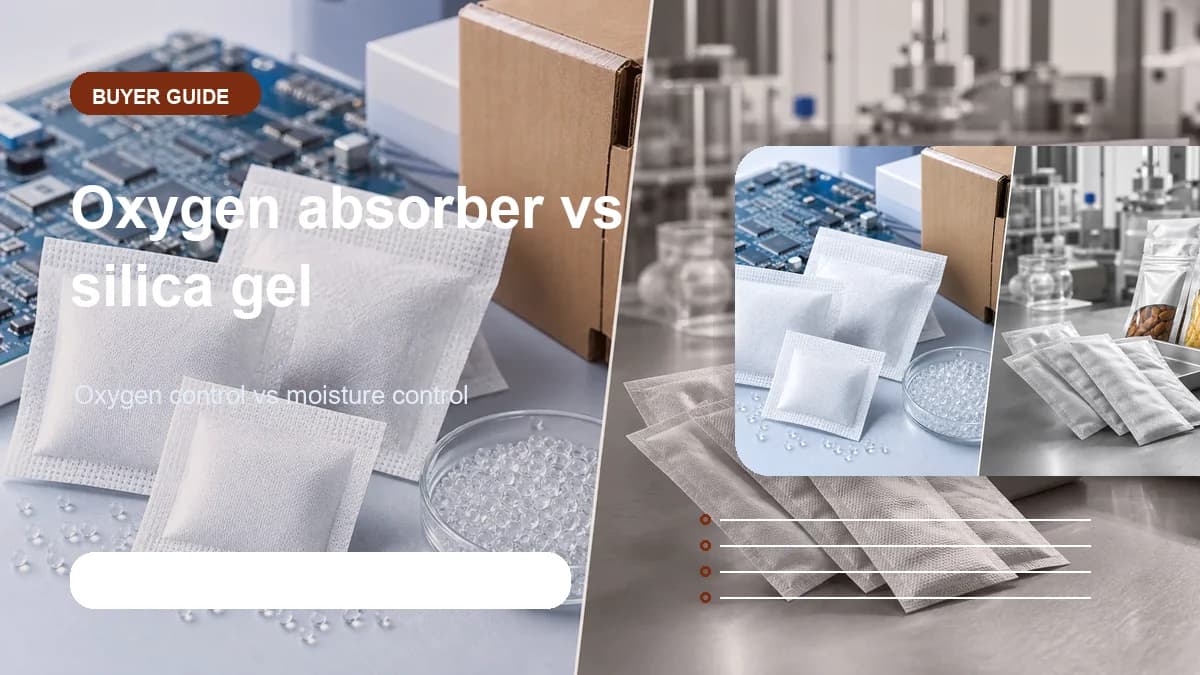
Read buyer guideComparisonOxygen absorber vs silica gel: when to use which (and when to use both)
Oxygen absorbers and silica gel solve different problems. This buyer guide explains the difference, the cargo types where each works, the cases where you need both, and the mistake B2B buyers make when they substitute one for the other in packaging programs.
Read buyer guideFood IndustryFood-grade silica gel procurement guide for industrial buyers
Food-grade silica gel is a regulated procurement category requiring specific certifications. This guide covers what 'food-grade' actually means in different markets, when it's required versus optional, and how to evaluate a supplier when food-contact compliance is part of the buying decision.
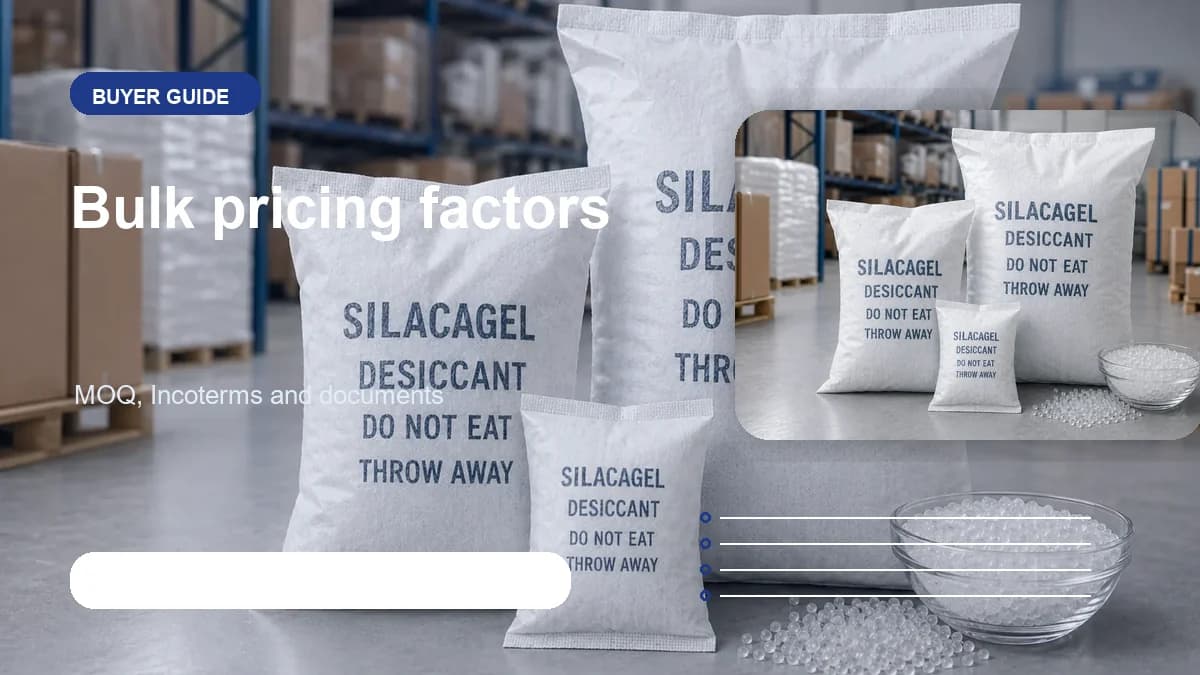
Read buyer guidePricing GuideWhat actually drives silica gel bulk pricing for export buyers
Bulk silica gel pricing is shaped by raw material cost, packaging format, certification scope, MOQ, shipment route, and Incoterm. This guide breaks down what each factor adds to the price and helps B2B buyers benchmark quotes intelligently across suppliers.
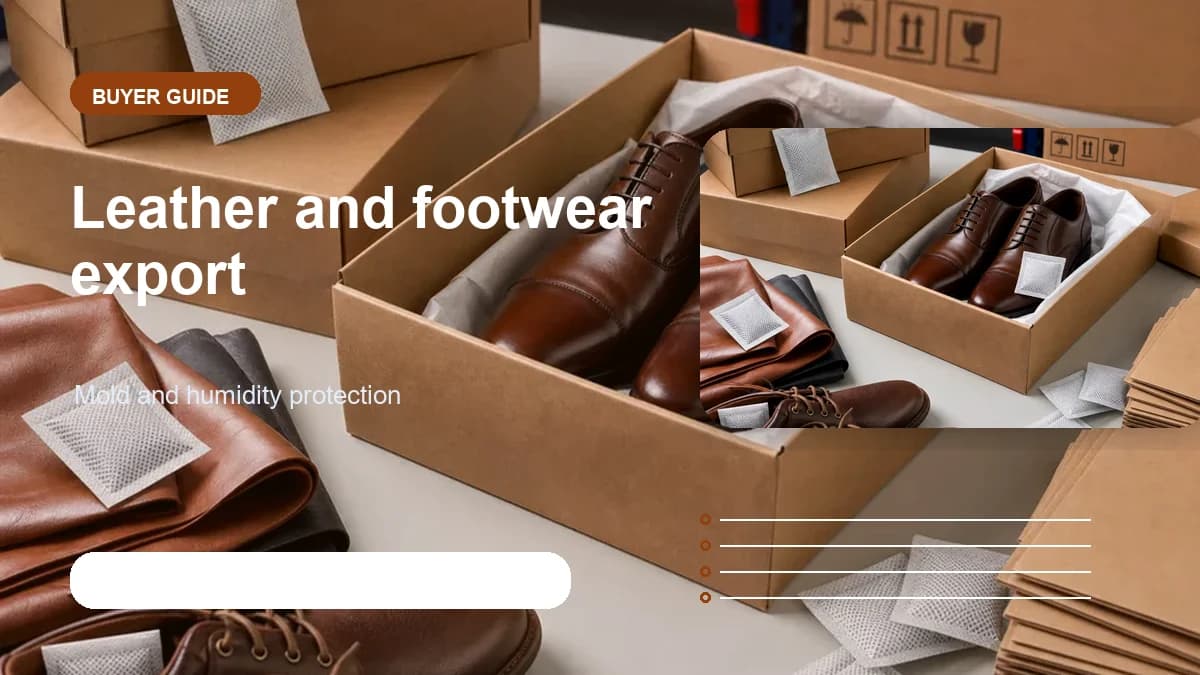
Read buyer guideIndustrySilica gel for leather and footwear export: a moisture protection guide
Leather and footwear are among the most moisture-sensitive cargo categories in international export. This guide covers why mold and mildew damage happens, the silica gel sizing math for leather export programs, and the packaging discipline that protects high-value leather and footwear shipments through long-haul humid routes.
Read buyer guideSafety GuideIs silica gel toxic? A safety guide for buyers, workers, and packers
A clear, practical safety guide to silica gel for B2B buyers and packing teams - what the 'DO NOT EAT' label really means, the difference between non-toxic amorphous desiccant gel and hazardous crystalline silica, the cobalt-chloride question on indicating gel, worker handling, food contact, and disposal.
Read buyer guideProduct GuideSilica gel colours explained: white vs blue vs orange
What the white, blue, and orange variants of silica gel actually mean for B2B buyers - which is indicating and which is not, how the colour change signals saturation, why blue cobalt-chloride gel is being replaced by orange, and how to choose the right colour for your shipment.
Read buyer guideStorage GuideSilica gel shelf life: how long unused stock lasts and how to store it
Does silica gel expire? Unused silica gel does not expire chemically, but storage decides how long it stays effective. A practical guide to shelf life, sealed vs opened packaging, warehouse storage, stock rotation, and reactivating stock that has picked up moisture before use.
Read buyer guideIndustry GuideSilica gel for rice, grain, and spice export: moisture and mould control
How food-commodity exporters use silica gel and container desiccants to protect rice, grains, pulses, and spices from container condensation, mould, and aflatoxin during ocean freight - placement, sizing per container, food-contact rules, and rejection-risk reduction.
Read buyer guideExport OperationsSilica gel HS code and import customs guide for buyers and exporters
The HS code for silica gel desiccant, how it is classified for import customs, the documents customs and buyers expect, and how to avoid clearance delays when importing silica gel sachets, beads, and container desiccants internationally.
Read buyer guideTechnical BasicsHow silica gel is made: the manufacturing process explained
How silica gel desiccant is manufactured - from sodium silicate and acid to washed, graded, and activated beads - why pore structure controls adsorption capacity, and what buyers should ask a manufacturer about quality control.
Read buyer guideTechnical BasicsRelative humidity and adsorption isotherms explained for desiccant buyers
What relative humidity (RH) and the silica gel adsorption isotherm actually mean for packaging - why a desiccant's capacity changes with humidity, how to read an isotherm curve, and how to use it to size silica gel correctly for your route.
Read buyer guideSizing GuideDesiccant units explained: DIN 55473 and how unit sizing works
What a 'desiccant unit' means under DIN 55473, how it relates to grams of silica gel, how to convert between units and sachet sizes, and how to use unit-based sizing to specify desiccant for packaging and containers.
Read buyer guideSizing GuideHow many desiccant packets per box? A calculation guide for packers
A step-by-step method to calculate how many silica gel packets a box needs - by box volume, packaging barrier, route humidity, and storage time - with worked examples and the common over- and under-packing mistakes to avoid.
Read buyer guideSizing GuideDesiccant placement best practices in packaging and containers
Where to put silica gel for it to actually work - packet placement inside cartons, master cartons and pallets, container strip hanging patterns, what to avoid, and how placement affects moisture protection as much as quantity.
Read buyer guideReuse & LifespanHow to regenerate silica gel: oven temperature and time guide
How to regenerate (reactivate) silica gel by driving off adsorbed moisture - the correct oven temperatures and times for bead and packet forms, what not to do, and when regeneration makes sense for industrial buyers versus single-use.
Read buyer guideComplianceCobalt-free orange vs blue indicating silica gel: the safety and REACH question
Why orange (cobalt-free) indicating silica gel has replaced blue (cobalt chloride) gel in regulated markets - the REACH classification, where blue is restricted, color-change behavior, and how buyers should specify indicating gel by destination.
Read buyer guideTechnical BasicsPaper vs Tyvek vs film desiccant sachet materials: a buyer's guide
How desiccant sachet materials differ - breathable paper, Tyvek, and laminated film - in dust, strength, print, cleanroom suitability, and cost, so buyers can match the sachet outer to their packaging and end-market.
Read buyer guideExport OperationsSilica gel export documentation: COO, COA, packing list, and SDS explained
The export document set for silica gel shipments explained - commercial invoice, packing list, certificate of origin (COO), certificate of analysis (COA), SDS, and DMF-free statement - what each is for, who needs it, and how to avoid documentation-related clearance delays.
Read buyer guideComparisonCalcium chloride vs silica gel: which desiccant for your cargo?
Calcium chloride and silica gel are the two desiccants B2B buyers weigh most often. They work by different mechanisms and suit different jobs, this guide shows which to use for containers, cartons, electronics, and food.
Read buyer guideApplication GuideHow to dry flowers with silica gel, and why the bead size matters
Air drying flattens petals and drains colour. Silica gel pulls moisture out while the flower is still supported on every side, so it keeps its shape. This is the method, the timings by flower type, and the one variable most guides get wrong: bead size.
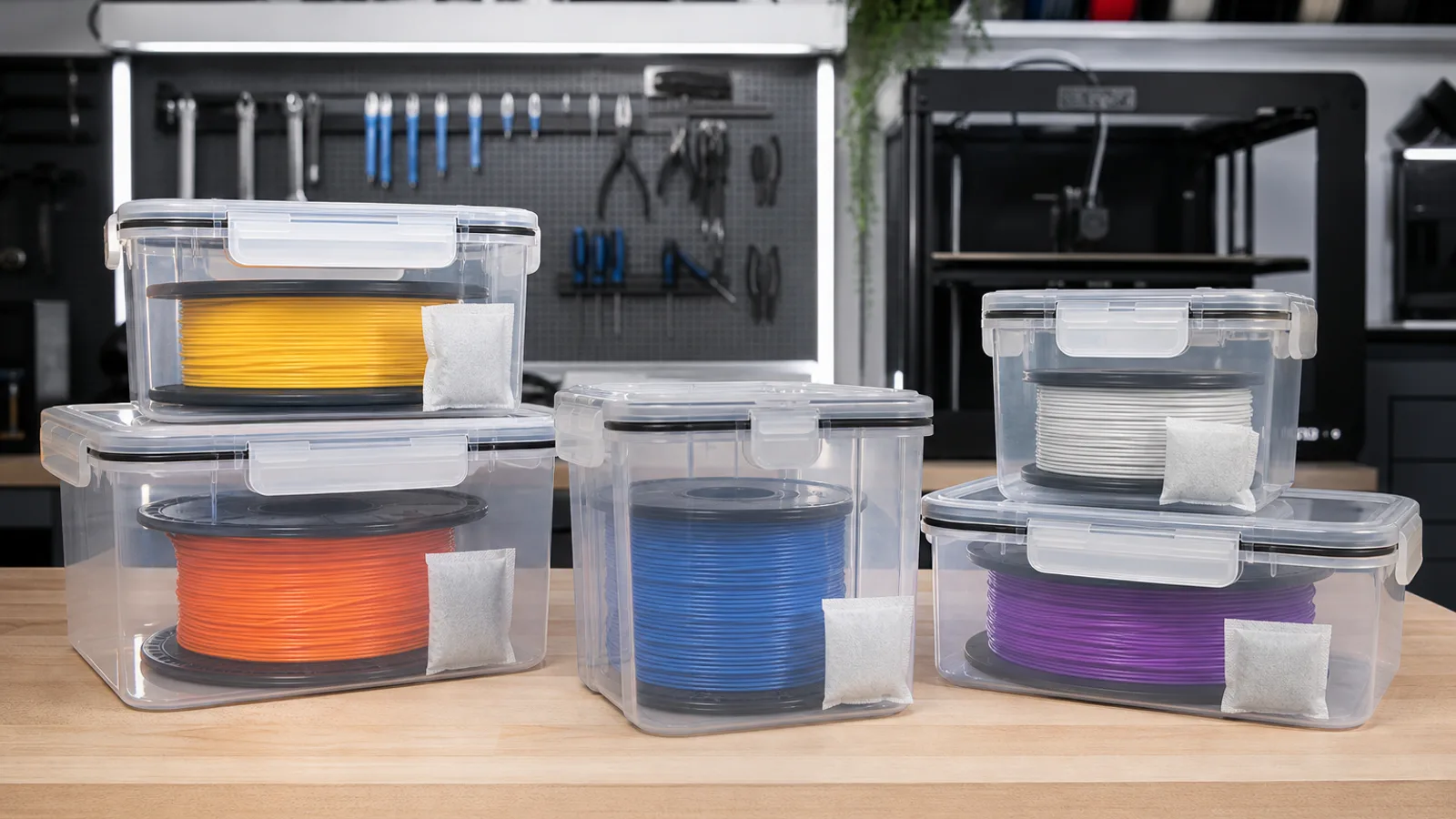
Read buyer guideApplication GuideSilica gel for 3D printer filament: what actually keeps it dry
Filament absorbs water from the air, and the print quality drops long before anything looks wrong. This covers how much desiccant a sealed spool actually needs, which grade to use, and why a hygrometer matters more than the amount of gel.
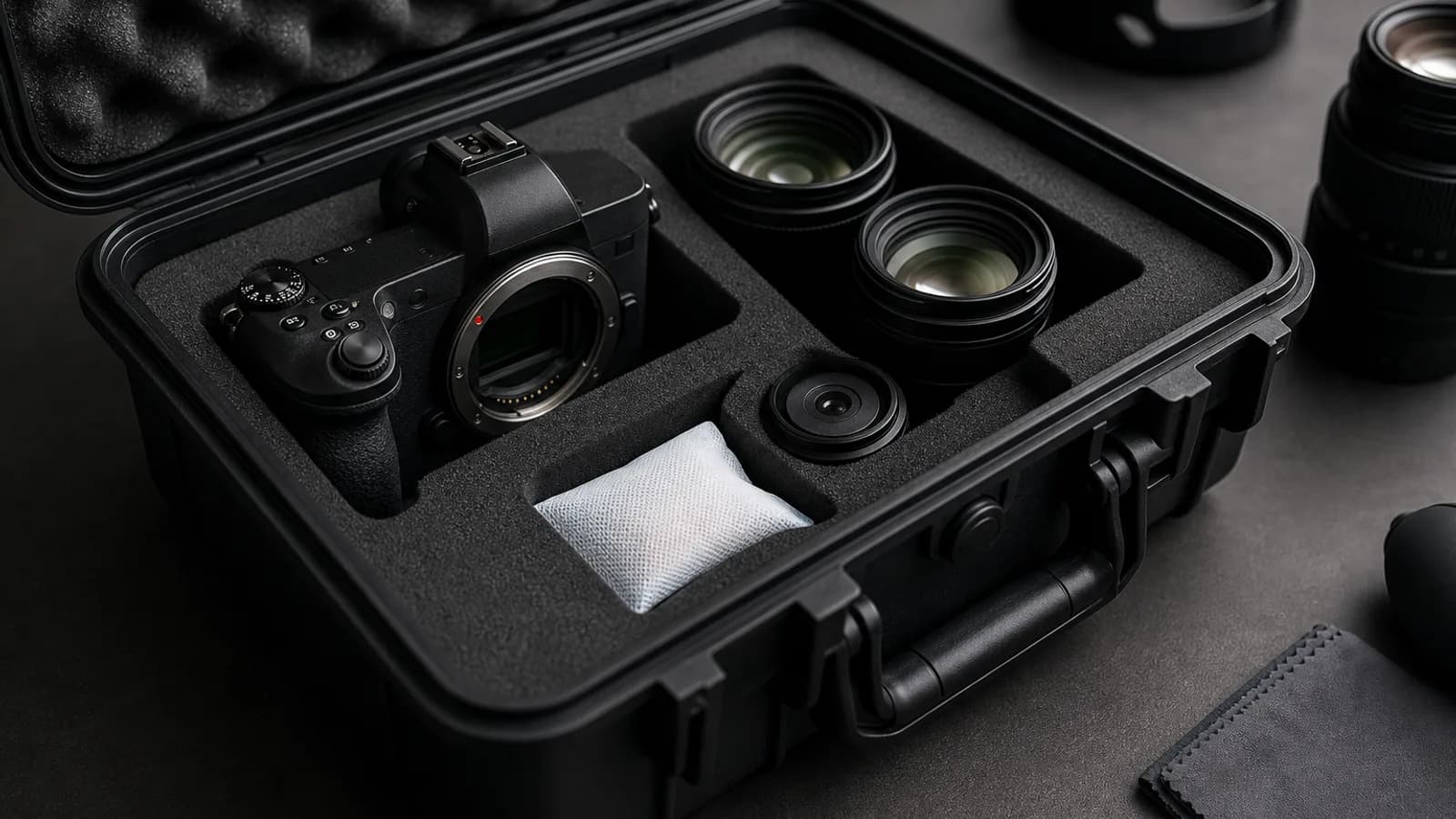
Read buyer guideApplication GuideSilica gel for camera gear: preventing lens fungus and fogging
Fungus inside a lens is permanent and expensive. It needs humidity and time, and controlling the first removes the risk. This covers how much desiccant a bag or cabinet actually needs and the humidity band to aim for.
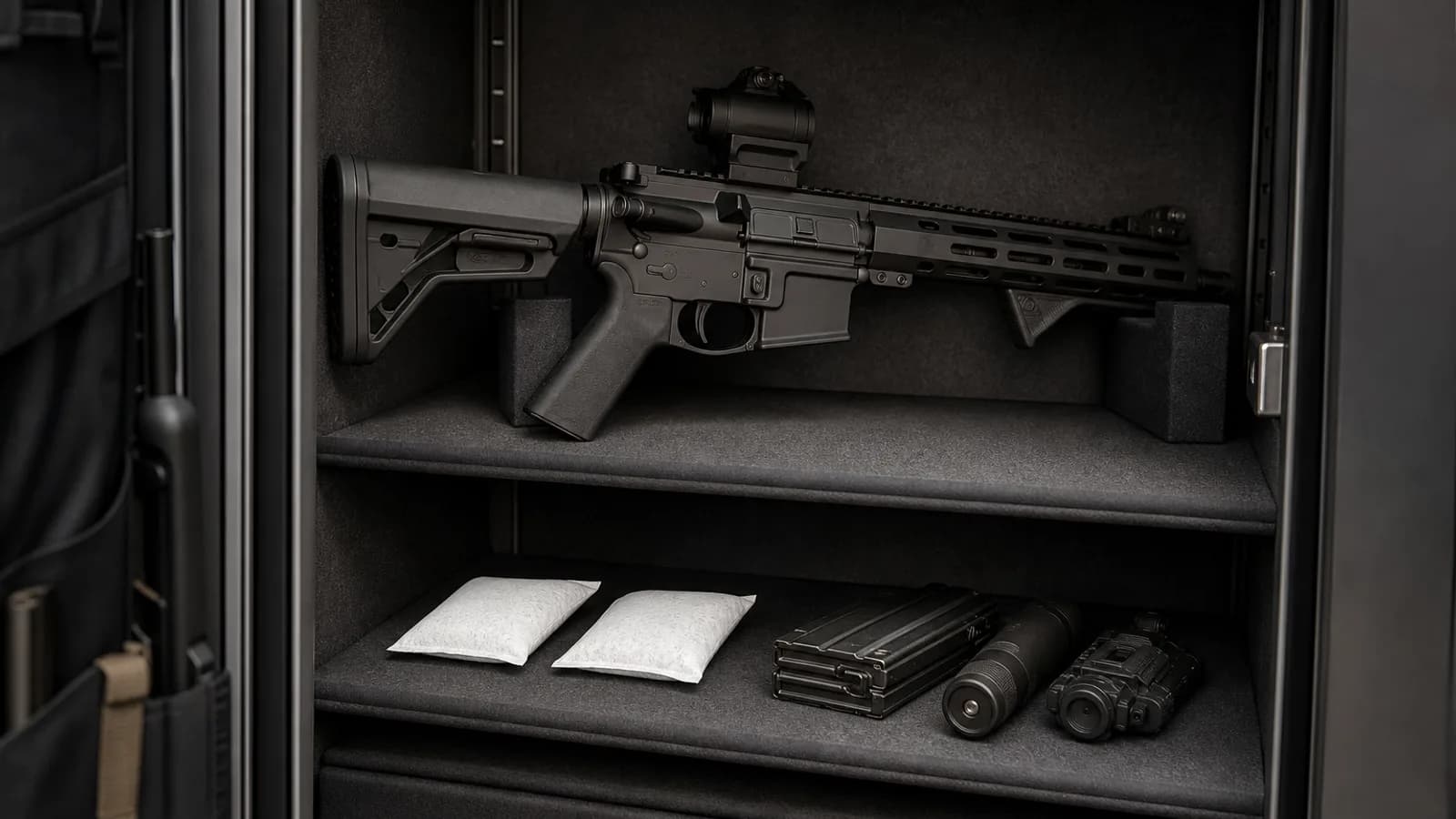
Read buyer guideApplication GuideSilica gel for a gun safe: sizing the desiccant to the cabinet
A sealed steel cabinet does not keep moisture out - it keeps it in, against bare metal, with no airflow. This covers desiccant quantities by safe size, why rechargeable units suit safes well, and the humidity level to hold.
Read buyer guideSupplier GuideSilica gel sachet manufacturers: how to evaluate a converter before you order
A desiccant sachet manufacturer is a converter, not a chemical plant. This guide explains what to check when comparing sachet manufacturers worldwide: sachet materials, fill-weight accuracy, print and private label, MOQ structure, documents, and the questions that separate a factory from a trading desk. Written by DryGelWorld, which manufactures sachets in Karachi and competes in this market.
Read buyer guideApplication GuideWhen silica gel is the wrong answer: guitars, cigars, books, and other over-drying mistakes
Drier is not always better. Wood instruments, cigars, books, and leather in daily use are damaged by over-drying - they need two-way humidity control at a setpoint, not a desiccant pulling toward zero. A manufacturer's honest map of where silica gel belongs and where it does not.
Read buyer guide